

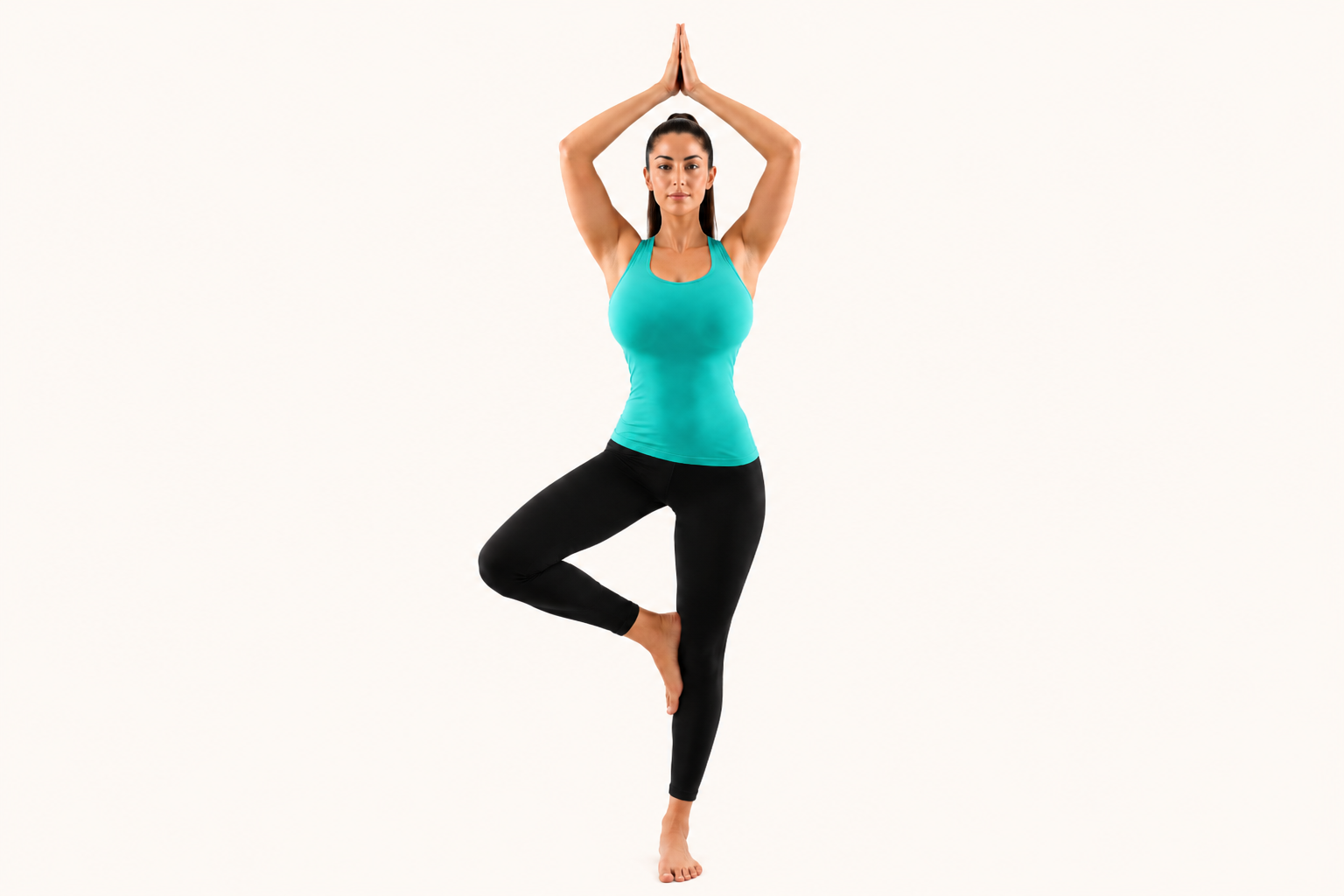
Yoga is more than just a form of exercise—it’s a holistic practice that connects the body, mind, and spirit. Originating in ancient India over 5,000 years ago, yoga has become one of the world’s most popular wellness practices. Whether your goal is to improve flexibility, reduce stress, build strength, or simply feel more balanced, yoga offers benefits for people of all ages and fitness levels.
What Is Yoga?
The word “Yoga” comes from the Sanskrit word “Yuj,” meaning to unite or to join. Yoga combines physical postures (asanas), breathing techniques (pranayama), meditation, and mindfulness to promote overall well-being. It is not just about stretching; it is a lifestyle that encourages harmony between the body and mind.
Benefits of Yoga
Improves Flexibility
Regular yoga practice gently stretches muscles and increases the body’s range of motion, reducing stiffness and improving posture.
Builds Strength
Many yoga poses engage multiple muscle groups, helping to develop lean muscle, improve balance, and increase endurance without heavy equipment.
Reduces Stress
Deep breathing and mindful movement calm the nervous system, helping to reduce anxiety, lower stress levels, and improve emotional well-being.
Supports Heart Health
Yoga promotes healthy blood circulation, may help lower blood pressure, and supports overall cardiovascular health when practiced consistently.
Enhances Mental Focus
Meditation and breathing exercises improve concentration, memory, and mental clarity while helping practitioners stay present in the moment.
Improves Sleep Quality
Relaxation techniques practiced during yoga can reduce insomnia and help the body prepare for deeper, more restful sleep.
Popular Types of Yoga
- Hatha Yoga – Ideal for beginners with slow and gentle movements.
- Vinyasa Yoga – Dynamic sequences that flow smoothly from one pose to another.
- Power Yoga – A more intense style designed to build strength and stamina.
- Yin Yoga – Long-held stretches that improve flexibility and relaxation.
- Restorative Yoga – Gentle poses supported by props for deep recovery and stress relief.
Yoga for Beginners
Starting yoga is simple. Wear comfortable clothing, use a non-slip yoga mat, focus on your breathing, and move within your comfort level. Consistency is more important than perfection. Even practicing for 15–20 minutes a day can make a noticeable difference in your health and well-being.
Healthy Lifestyle Tips
To get the most from yoga:
- Practice regularly.
- Stay hydrated.
- Eat a balanced diet.
- Focus on slow, controlled breathing.
- Listen to your body and avoid pushing into pain.
Conclusion
Yoga is a lifelong journey toward better physical health, mental clarity, and emotional balance. Whether you are a beginner or an experienced practitioner, yoga can help you build strength, increase flexibility, reduce stress, and improve your overall quality of life. By making yoga part of your daily routine, you invest in a healthier, happier, and more balanced future.
5 Beginner Poses Worth Learning First
Once you know the styles, it helps to know a few foundational poses by name. Tadasana (Mountain Pose) is the blueprint for all standing postures — feet grounded, spine tall, shoulders relaxed. Adho Mukha Svanasana (Downward-Facing Dog) stretches the hamstrings, calves and shoulders while building arm strength. Balasana (Child’s Pose) is the universal resting pose: knees wide, forehead on the mat, arms extended — yogis return to it whenever they need a breather. Virabhadrasana II (Warrior II) builds leg strength and stamina while opening the hips and chest. And every session traditionally ends with Savasana (Corpse Pose) — lying flat, eyes closed, letting the body absorb the practice. Learn these five and you can follow along with most beginner classes.
Breathe Like a Yogi: Two Techniques to Try
Yoga’s breathing practices, called pranayama, are a workout for the nervous system on their own. One beginner-friendly method is Dirga pranayama, or three-part breath: inhale slowly through the nose, filling the belly first, then the low chest, then the upper chest — and exhale in reverse order. Mayo Clinic physicians teach this as the starting point for new practitioners. Another classic is Anulom Vilom, alternate-nostril breathing: close the right nostril with the thumb, inhale through the left, then switch sides and exhale through the right, continuing for three to five minutes. Traditional texts call it Nadi Shodhana — cleansing of the energy channels — and modern practitioners use it to calm the mind before meditation or sleep.
Stay Safe on the Mat
Yoga is low-impact, but it is not risk-free — strains, dizziness and falls are the most common issues, especially for people with balance, joint or heart conditions. Mayo Clinic’s guidance is refreshingly simple: go slow, try different styles to find your fit, and consider learning from an instructor rather than videos alone. You don’t have to do every pose in a class, and a good teacher will encourage you to explore — but never exceed — your personal limits. If you have a chronic condition or are pregnant, check with your clinician before starting. As one Mayo Clinic yoga therapist puts it: if you can breathe, you can do yoga — everyone simply starts where they are.