
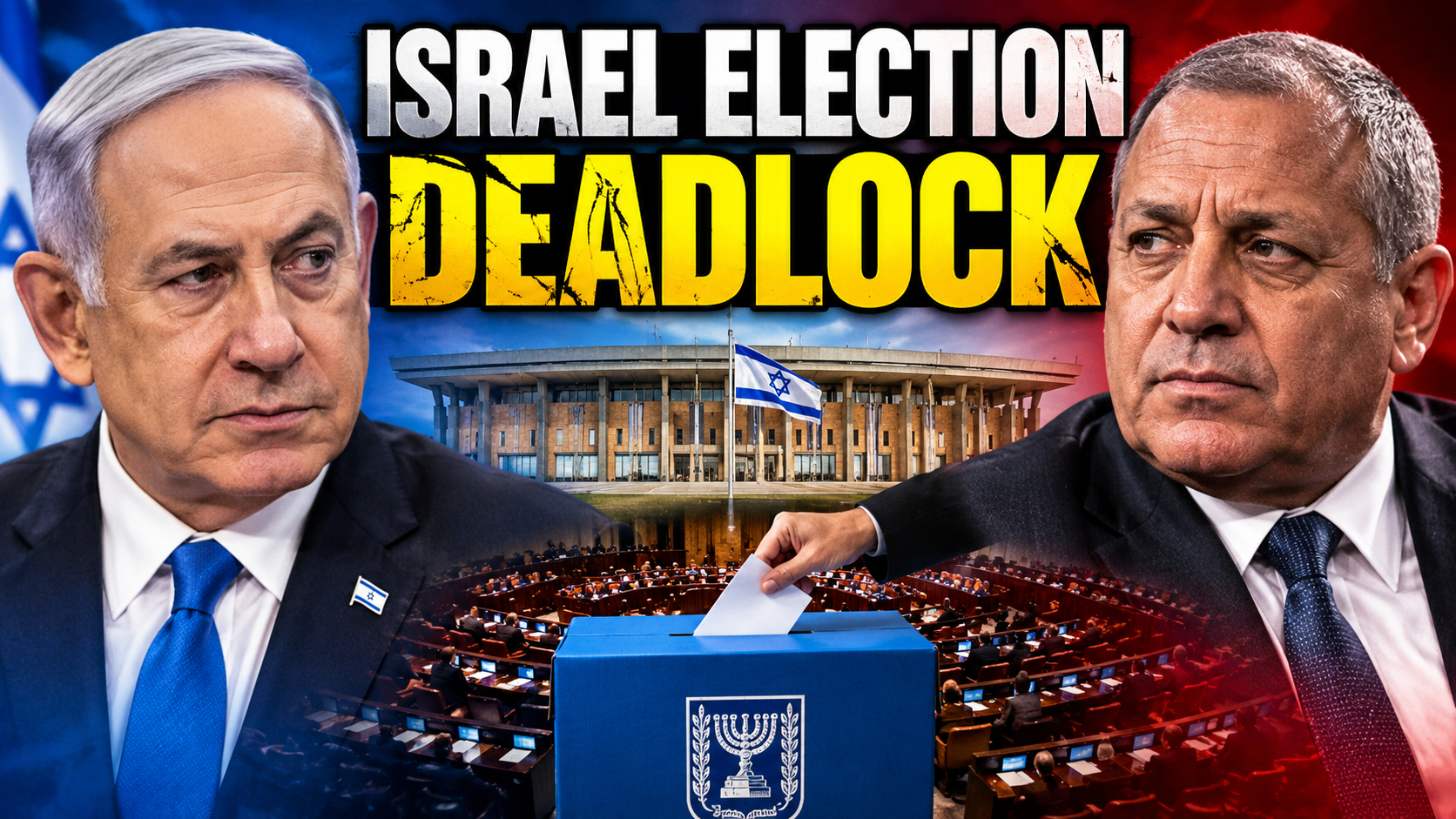
Israel’s election deadlock has taken a new turn as Arab-led parties gain potential influence over the formation of the country’s next government. With neither major political bloc securing a clear parliamentary majority in the partial results, coalition negotiations could prove more decisive than the election-night celebrations.
As of the latest reported count available for this article, approximately 76.8% of ballot boxes had been counted. Preliminary figures placed Prime Minister Benjamin Netanyahu’s bloc at 54 seats, opposition leader Gadi Eisenkot’s bloc at 47, and Arab-led parties at a combined 19 seats. The figures remain provisional and may change as the count continues.
The Knesset has 120 seats, meaning a government normally needs the support of at least 61 lawmakers. The emerging numbers leave both major camps facing a difficult path to power.
Israel Election Results: The Numbers Behind the Deadlock
The latest partial count illustrates why the election has not produced a clear winner.
Netanyahu’s political camp was ahead of Eisenkot’s bloc, but its projected 54 seats remained seven short of the majority threshold. The opposition bloc was further behind on 47 seats, while Arab-led parties held a potentially influential position outside the two main camps.
These figures should not be interpreted as a final parliamentary allocation. Election-night exit polls, partial vote counts and final certified results are different stages of the process.
The initial exit polls also differed between Israeli television networks. As official counting progressed, the estimated balance of power shifted, highlighting the uncertainty surrounding early projections.
For the parties, the challenge is now twofold: establish the final distribution of seats and determine whether a workable governing agreement is possible.
Why Arab-Led Parties Could Become Kingmakers
The combined 19 seats projected for Arab-led parties could make them important participants in negotiations, particularly if the main political blocs remain short of a majority.
However, those seats do not automatically form a unified coalition. The Joint List and Ra’am have distinct political positions, leadership structures and priorities.
Their potential influence depends on whether either major camp is willing to negotiate with them, what conditions might be attached to an agreement, and whether other coalition partners would accept their involvement.
Netanyahu has rejected forming a government dependent on Arab parties. That stance could restrict his options if his existing allies cannot provide enough seats.
Eisenkot faces a different but related problem. Although Arab-party support could improve the opposition’s parliamentary arithmetic, disagreements among potential partners could make a formal coalition difficult to assemble.
The central issue is therefore not simply how many seats Arab-led parties win. It is whether those seats can translate into dependable parliamentary support.
The 3.25% Election Threshold Could Still Matter
One of the less visible factors in Israel’s election is the minimum vote threshold for parties seeking representation in the Knesset.
Under Israel’s electoral system, a party list generally needs at least 3.25% of the valid vote to qualify for seats. Lists that remain below the threshold do not receive parliamentary representation, affecting the distribution of seats among qualifying parties.
During the partial count, several smaller lists were reported below that threshold. Their positions could change as additional ballots are counted.
This matters because a small shift in the vote share of a party near the threshold can affect the wider distribution of parliamentary seats. A party that crosses the threshold may enter the Knesset, while a party that falls short cannot contribute seats to a governing coalition.
The threshold does not determine the winner by itself, but it adds another layer of uncertainty to an already close election.
Why Soldiers’ Votes Could Change the Final Picture
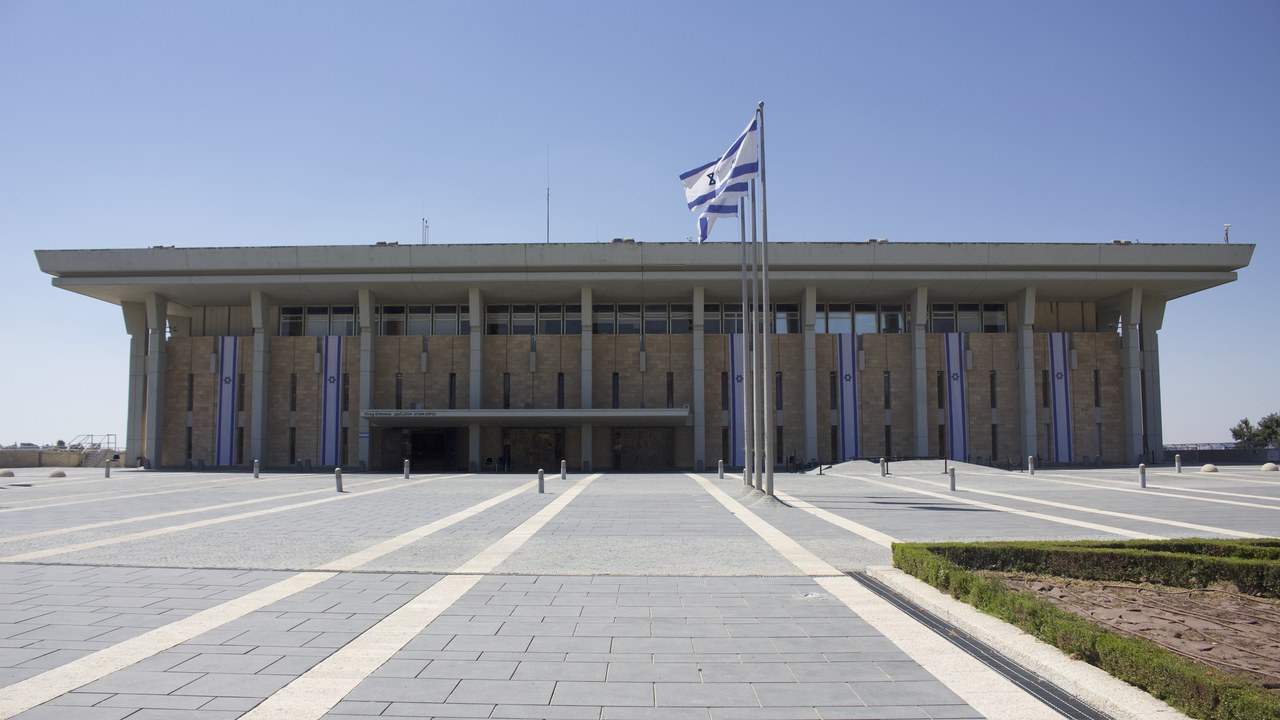
Another important factor is the counting of ballots submitted through special procedures, including double-envelope voting.
These ballots include votes from soldiers and other eligible voters whose ballots require additional processing. Election officials indicated that these votes would be counted later, meaning the partial results did not yet represent the complete electorate.
The eventual impact depends on how these voters cast their ballots and how the results affect the proportional allocation of seats.
It would be premature to predict which political camp will benefit most. The important point is that the remaining count could change the numbers on which coalition negotiations are based.
Until the Central Elections Committee publishes the final results, the current seat distribution should be treated as a snapshot rather than a definitive outcome.
Could Israel End Up With a Minority Government?
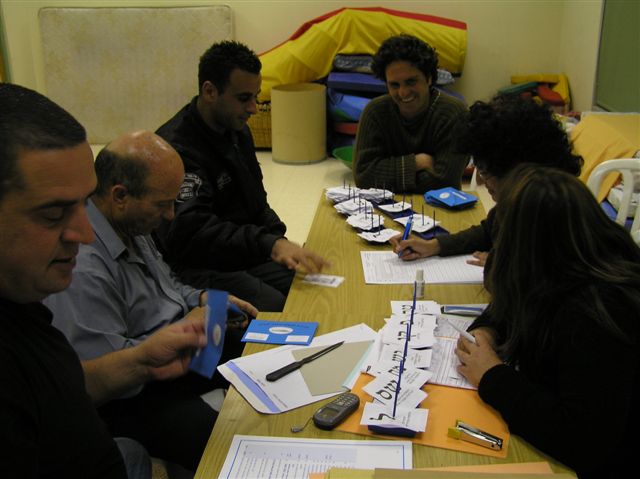
If neither main bloc can assemble a conventional majority coalition, one possible scenario is a minority government that relies on outside parliamentary support.
Under such an arrangement, parties may support a government in selected votes without taking ministerial positions or formally joining the governing coalition.
That possibility could become relevant if opposition parties can agree on a common programme but cannot assemble 61 coalition members. However, it would require difficult political compromises and dependable support on important parliamentary votes.
A minority government could also face challenges passing a budget, advancing legislation and responding to national security developments.
Another possibility is a broader coalition agreement involving parties that disagree on major policy questions but decide that a change in government is preferable to continued deadlock.
Neither outcome is guaranteed. The final seat count and the willingness of party leaders to compromise will determine which options remain realistic.
Netanyahu’s Lead Does Not Guarantee Another Term
Netanyahu’s Likud party and its political allies have reasons to remain confident: the partial count placed his bloc ahead of the opposition.
But Israel’s parliamentary system does not automatically appoint the leader of the largest party as prime minister. The decisive question is which lawmaker can demonstrate the best chance of forming a government with sufficient parliamentary support.
Netanyahu could attempt to consolidate backing among right-wing and religious parties. Eisenkot and his allies could seek agreements with smaller factions and explore forms of outside support.
Both strategies face obstacles. Some parties may refuse to work with particular leaders, while disagreements over security, religion and the role of Arab lawmakers could complicate negotiations.
The election has therefore created a contest that will continue beyond the ballot count: a contest over which political combinations can command enough support to govern.
What Happens Next in Israel’s Election?
The next major milestone is the completion and certification of the official results. That will establish the parliamentary strength of each party and clarify the possible coalition combinations.
President Isaac Herzog will then consult party representatives and assign the task of forming a government to the lawmaker he believes has the best chance of securing the necessary support, under Israel’s constitutional process.
Coalition negotiations could take weeks. If attempts to form a government fail, further procedures may follow and another election could eventually become a possibility.
Until then, Netanyahu remains in a caretaker role while the political parties assess their options.
The wider consequences extend beyond the composition of the cabinet. Israel’s security policy, relations with the United States and decisions concerning the region could all be affected by a prolonged period of political uncertainty.
The Real Deciding Factor Is Coalition Mathematics
Israel’s election has not yet delivered a clear governing majority. Netanyahu’s bloc held an early lead in the partial count, Eisenkot’s opposition remained short of the numbers needed to govern, and Arab-led parties emerged with the potential to influence the next stage.
The 3.25% threshold and the remaining special ballots could also affect the final distribution of seats. But no single factor will decide the outcome on its own.
The decisive question is whether a political leader can turn the final election results into a workable parliamentary agreement.
In Israel’s closely divided parliament, winning the most seats and building a government are two very different challenges. The next government will depend not only on the votes already counted, but also on the alliances that party leaders can build.