

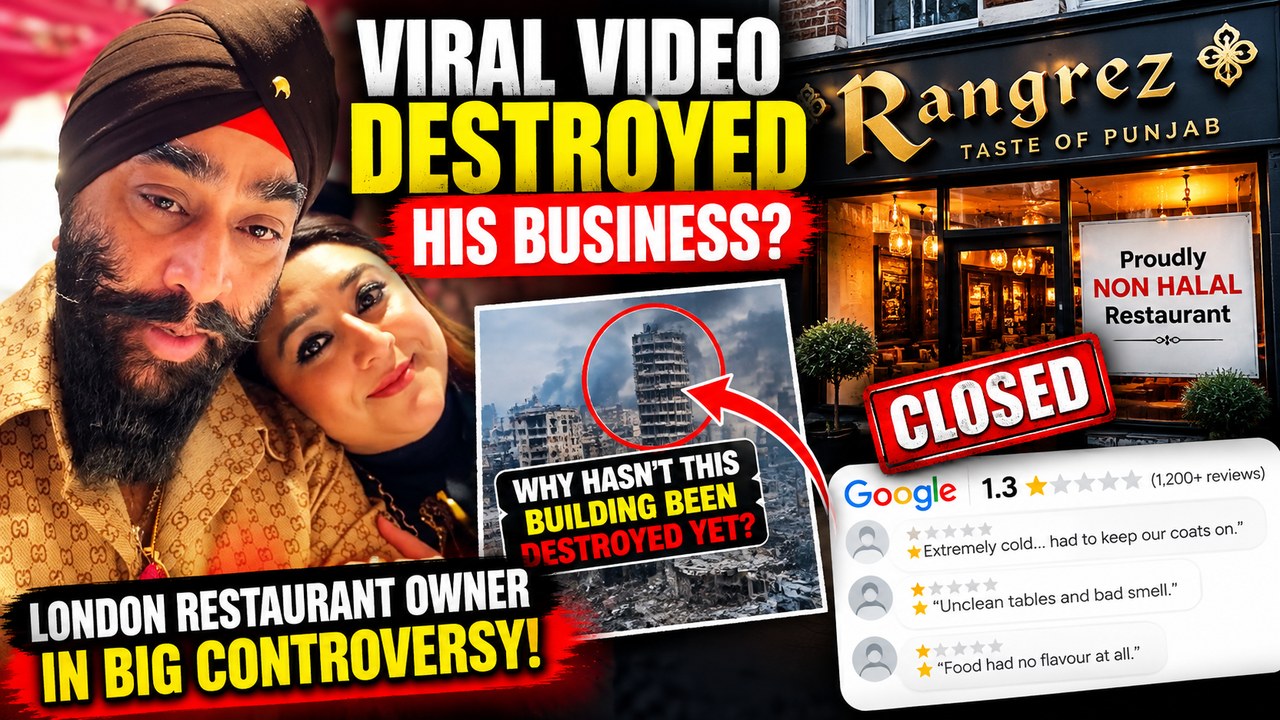
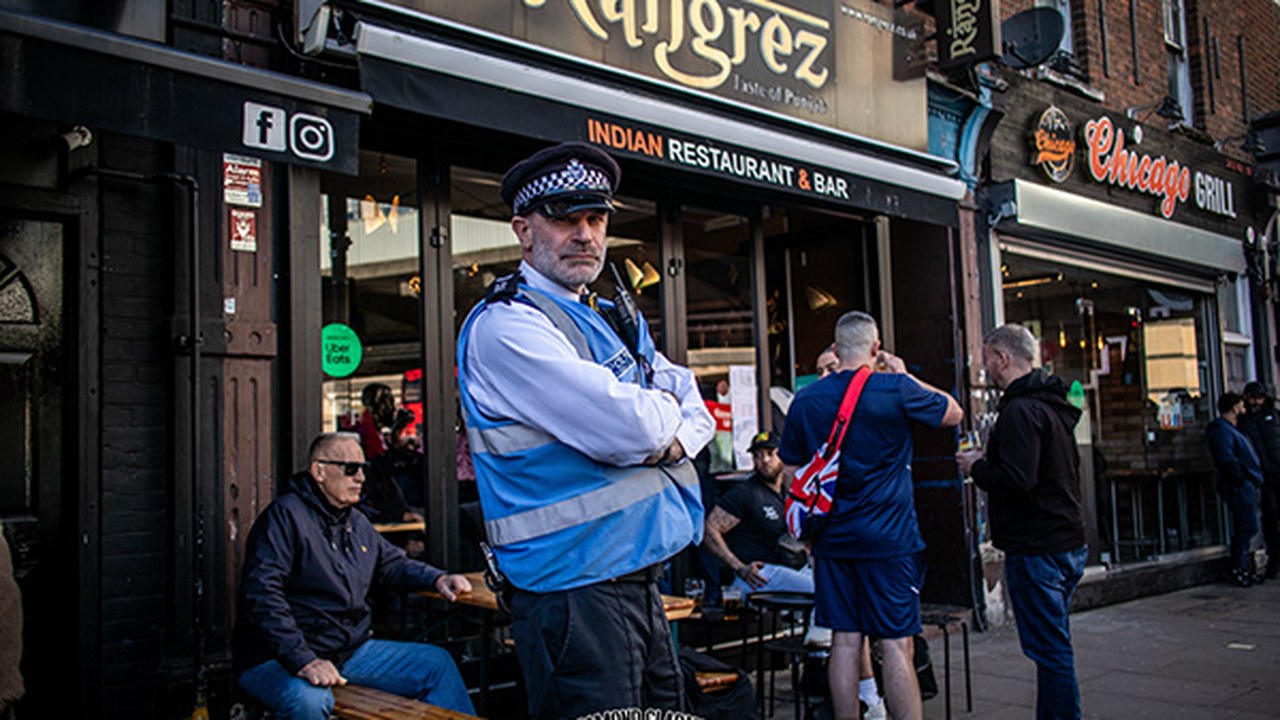
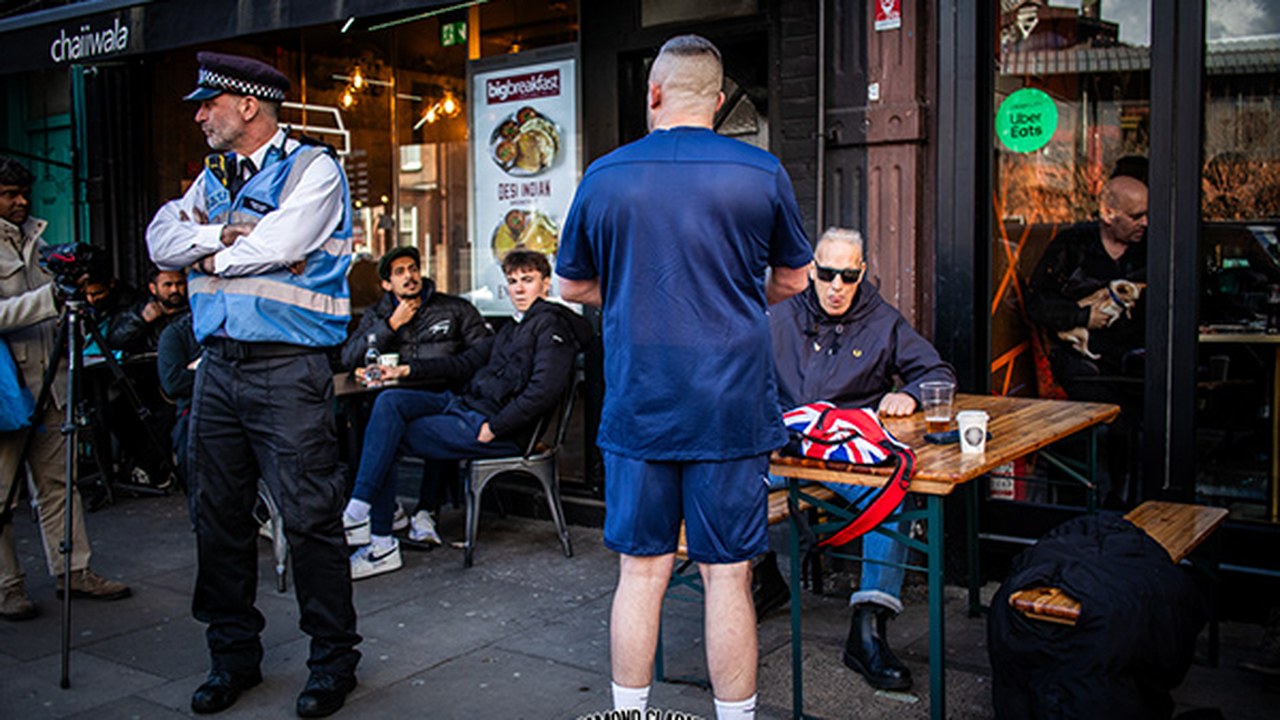
A video featuring Harman Singh Kapoor, an Indian-origin Sikh restaurant owner in London, went viral on social media after he questioned why Israel had not yet destroyed a building in Gaza. The video sparked widespread criticism, and a wave of negative reviews reportedly appeared on the restaurant’s Google profile.
According to information circulating on social media, Harman Singh Kapoor ran Rangrez Restaurant in West London with his wife, Khushi. The restaurant was reportedly serving Indian food, including dal, curries, and other traditional dishes, for approximately 16 years.
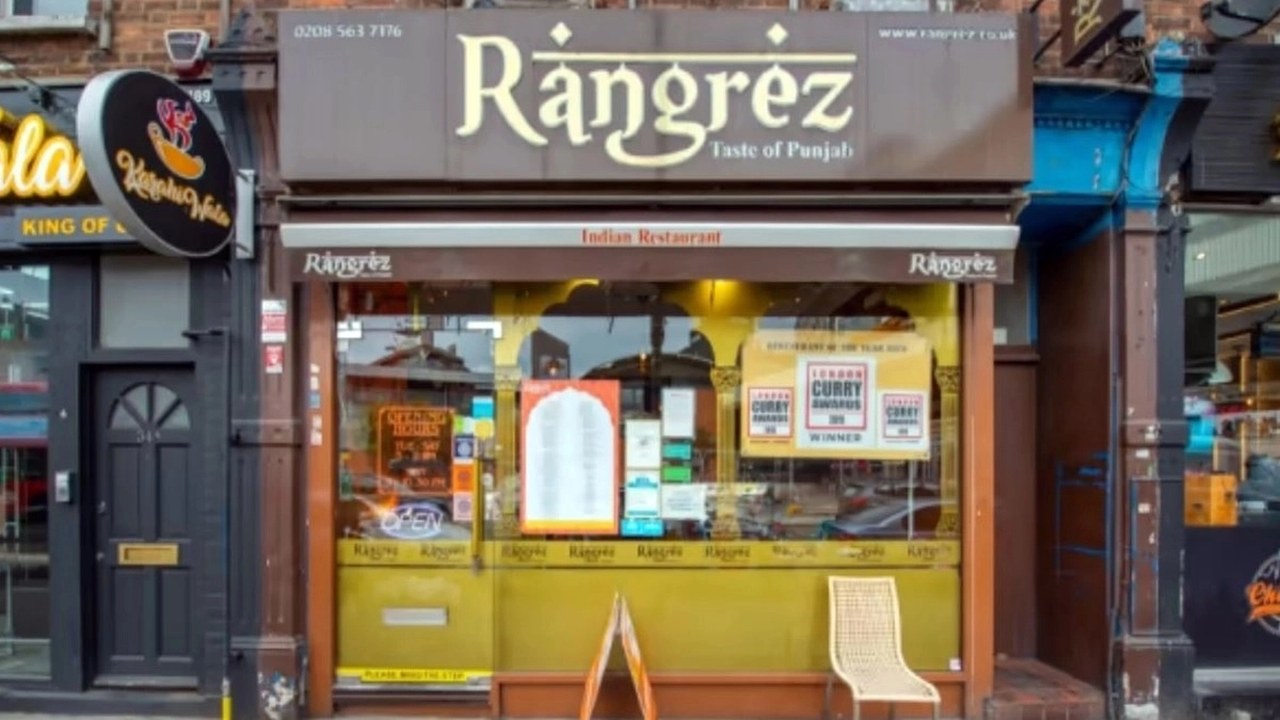
The incident raised important questions: Should business owners face consequences for their public statements? And when a business receives a large number of negative online reviews, can all those reviews be considered genuine customer experiences?
The Restaurant’s Message About Halal Meat
According to the social media post, a message outside the restaurant stated that the establishment did not sell halal meat.
In the United Kingdom, restaurants are not legally required to sell halal meat. Businesses can provide clear information about their food policies so customers can make choices according to their preferences and religious requirements.
Therefore, not selling halal meat is not, by itself, evidence of illegal activity or religious hatred. The important question is whether the policy was accompanied by an offensive or hateful message directed at a religious or ethnic group.
A restaurant’s food policy and hostility toward a religious community are two different matters and should not be confused.
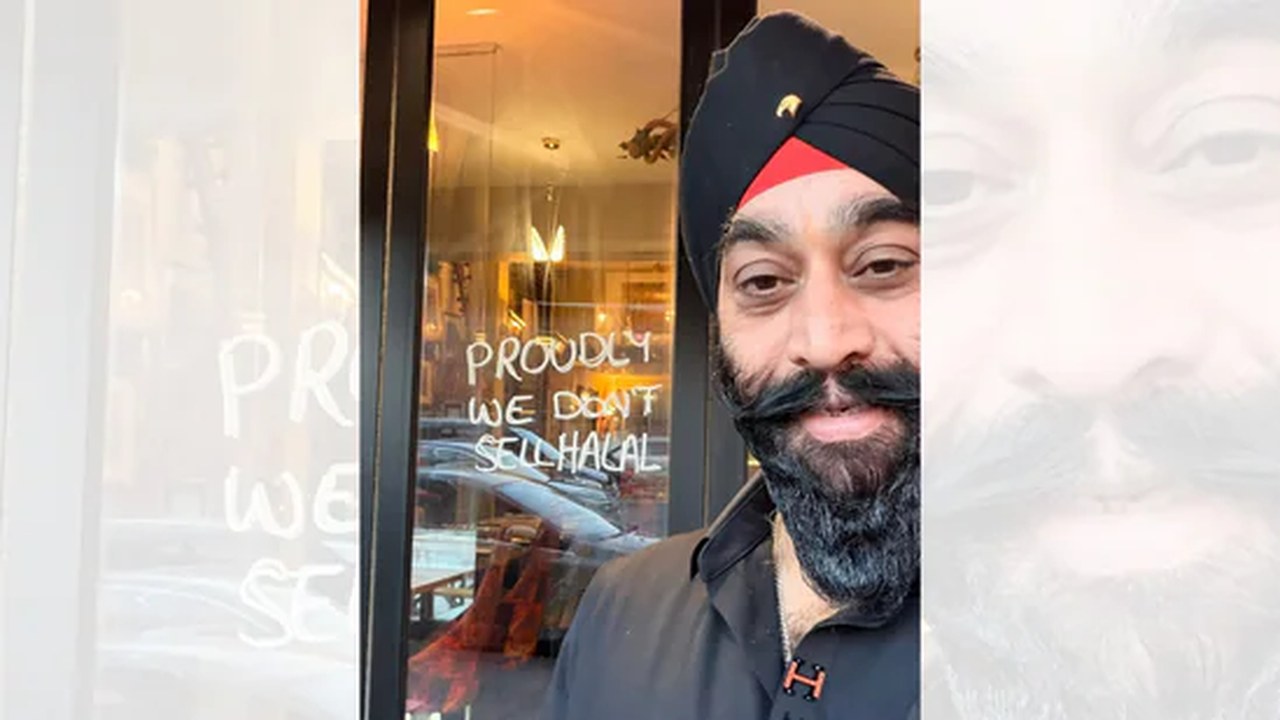
Harman Singh Kapoor’s Statement About a Building in Gaza
The most controversial part of the incident was a video in which Harman Singh Kapoor pointed toward a building in Gaza and questioned why Israel had not destroyed it yet.
The video was shared from his own social media account, making his statement the central focus of the controversy. Against the backdrop of destruction and the humanitarian crisis in Gaza, the remarks prompted strong criticism.
Questioning why a building has not been destroyed, particularly when civilians are losing their lives and large numbers of people are being displaced, is an extremely sensitive matter.
Following the video’s circulation, people expressed their reactions online. Some supported boycotting the restaurant, while others posted negative reviews on its Google profile.
However, it is important not to judge an entire Sikh or Indian community based on one individual’s statements. An individual’s conduct should be distinguished from the beliefs and behavior of an entire community.
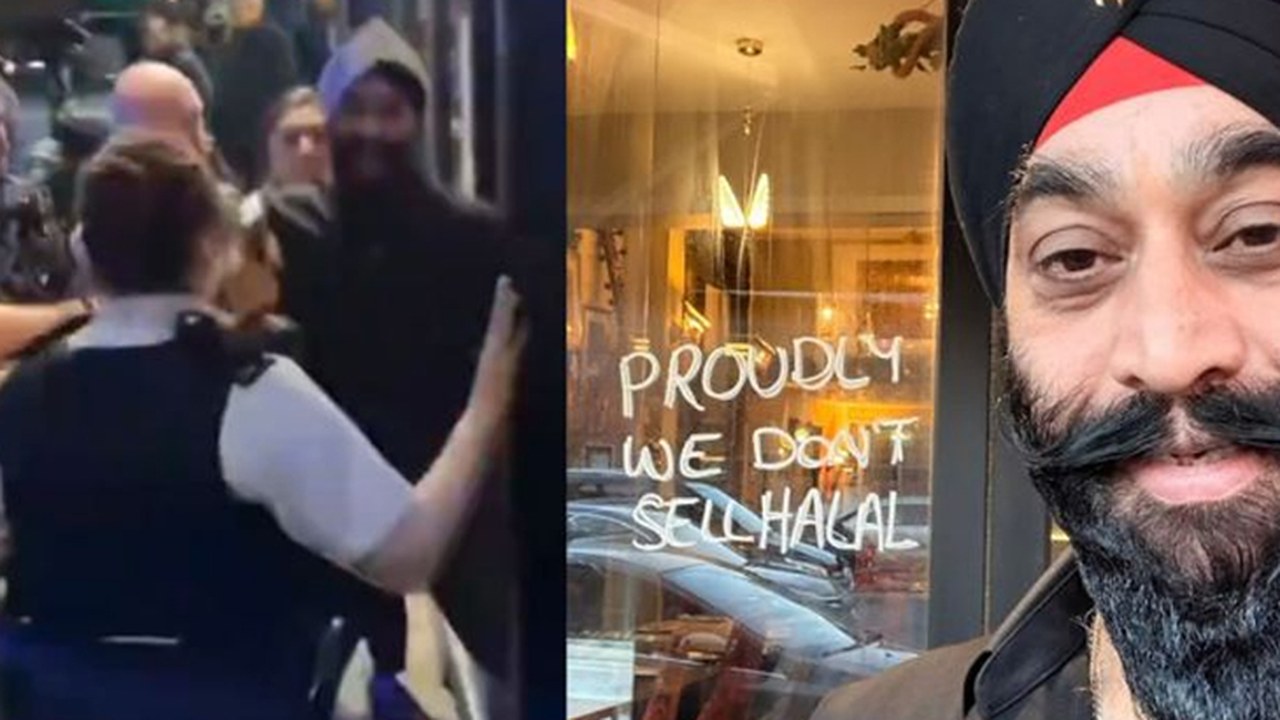
What Happened to the Business After the Video Went Viral?
According to information circulating on social media, a large number of negative reviews appeared on Rangrez Restaurant’s Google profile after the video went viral. Online criticism reportedly increased, and claims emerged that the restaurant experienced a significant decline in customers.
A related claim suggests that Harman Singh Kapoor stated in a video that his landlord had asked him to vacate the restaurant premises and that the business was no longer operating as it had before.
Although the incident reportedly triggered a public backlash, establishing the exact reason for the restaurant’s closure would require additional evidence, such as a notice from the property owner, an official statement from the restaurant, or reporting from a reliable news organization.

The Negative Reviews Appearing on Google
The social media post includes several negative reviews attributed to customers of the restaurant. Some of the comments are reproduced below.
1. Complaint About the Restaurant Being Extremely Cold
One purported customer wrote:
“It was an unpleasant experience. The restaurant was extremely cold, and my wife kept her coat on throughout the meal. The staff said they would turn up the heating, but nothing changed. Perhaps if there had been more than just four customers in the restaurant, the atmosphere might have felt warmer.”
This comment describes dissatisfaction with the restaurant’s environment and heating arrangements. However, without examining the original review, it is not possible to confirm whether it was written by a genuine customer.
2. Complaints About Cleanliness and an Unpleasant Smell
Another purported customer wrote:
“I really wanted to like this place, but the lack of cleanliness was impossible to ignore. There was an unpleasant smell as soon as I entered, and it remained throughout the meal. The tables were sticky, and the floor looked as though it had not been mopped for days. If the dining area is maintained so poorly, I have serious concerns about the cleanliness of the kitchen. I would not recommend this restaurant.”
This comment raises concerns about cleanliness and the dining environment. However, a customer’s personal impression cannot be treated as conclusive evidence of the restaurant’s overall condition without further verification.
3. Criticism of the Food’s Taste
A third purported customer wrote sarcastically:
“If you have ever wondered what Indian food without any flavor tastes like, this is the perfect place for you. As an added bonus, the dining room is freezing cold. What could be better than spending the entire evening wearing a coat while eating curry?”
This review criticizes both the food and the temperature inside the restaurant.
It also raises an important question: Were these reviews written by people who had actually eaten at the restaurant, or did some individuals post them in response to the viral video?
That question can only be answered by examining the original Google reviews and their context.
Why Are Google Reviews So Important for Businesses?
Today, customers often check Google Search and Google Maps before choosing a restaurant. They look at ratings, photographs, and comments from other customers.
For example, a restaurant with positive ratings and favorable comments about its food, cleanliness, and service may attract more customers. Conversely, a sudden influx of negative reviews may encourage potential customers to choose another establishment.
This is why businesses place considerable importance on their online reputation.
However, Google Search results are not determined by ratings alone. Relevance, location, and other factors also influence search results. It would therefore be inaccurate to suggest that every business succeeds solely because of a five-star rating or that a few negative reviews will automatically force it to close.
Were All the Negative Reviews Genuine?
This is one of the most important questions in the controversy.
If a customer actually visited the restaurant, experienced its food or service, and then shared an honest review, that review may represent a genuine customer experience.
However, if someone had never visited the restaurant and posted a negative review solely in response to the viral video, presenting that review as a genuine customer experience would be misleading.
Google’s policies allow users to report fake or misleading reviews. Businesses can also use Google’s tools to request the removal of reviews that violate policy.